
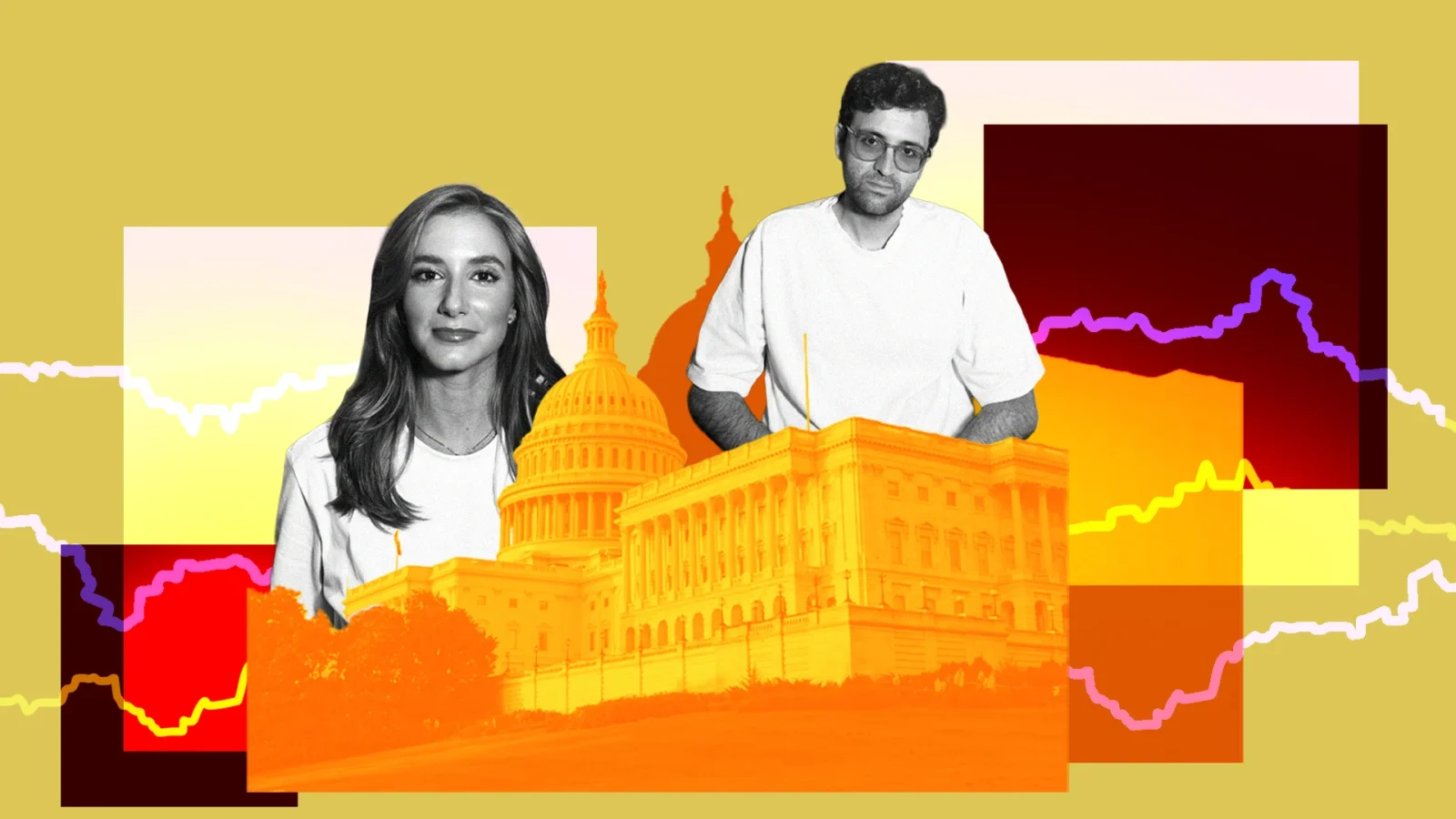

The prediction market industry just graduated from scrappy startup to Washington power player. And the tuition wasn’t cheap.
Kalshi, the CFTC-regulated prediction market platform that spent years fighting regulators in court, has thrown its weight behind a new lobbying group designed to shape the rules before they get written. The American Prediction Market Association — because Washington loves a good acronym — launched with a former Trump administration official at the helm, signaling that the industry has decided playing defense isn’t enough anymore.
The Revolving Door Swings Open
Here’s what you need to understand about how Washington actually works: when an industry hires someone who used to regulate it, they’re not paying for expertise. They’re paying for relationships. Access. The ability to get a meeting that would otherwise require six months of polite emails going nowhere.
The new association reportedly tapped a former official from the Trump administration’s regulatory apparatus. The exact role matters less than the signal. Prediction markets want conversations with people who write rules, and they’ve hired someone who used to sit on the other side of the table.
This isn’t unusual. Every mature financial services sector maintains a presence on K Street. Banks have their lobbyists. Exchanges have theirs. The question was never whether prediction markets would play this game — it was when. The answer, apparently, is now.
The lobbying war for prediction markets has officially gone mainstream, and Kalshi wants to lead the charge rather than watch from the sidelines.
Why Kalshi Can’t Afford to Wait
To appreciate why Kalshi is investing in political infrastructure, you need to understand the company’s recent history. They didn’t stumble into regulatory battles — they sprinted into them.
Last year, Kalshi sued the CFTC over the agency’s refusal to approve election contracts. They won. The court ruling opened the door for regulated prediction markets to offer contracts on political outcomes, a category that had been effectively banned for years. It was a genuine legal victory, the kind that changes what’s possible.
But winning in court is the beginning of a fight, not the end of one. The CFTC can appeal. Congress can pass new laws. State regulators — like those in Ohio moving to criminalize certain prediction market activities — can pursue their own crackdowns. A company that lives by judicial interpretation can die by legislative override.
Kalshi’s leadership has clearly decided that their courtroom success needs political reinforcement. You can win every case and still lose the war if someone rewrites the rules while you’re celebrating.
The Broader Industry Takes Notice
Kalshi isn’t the only player watching Washington closely. Prediction markets have poured significantly more into lobbying this year compared to previous cycles, a sign that the entire sector recognizes the stakes.
Polymarket, the offshore platform that dominates crypto-native prediction markets, operates outside direct CFTC jurisdiction but isn’t immune to regulatory pressure. Polymarket’s latest markets continue attracting massive volume, but the company faces its own challenges — including scrutiny from state attorneys general who see prediction markets as gambling dressed in financial sophistication.
The formation of an industry association suggests the major players have realized a fragmented approach to advocacy isn’t sustainable. When legislators hear from one platform complaining about rules while another stays silent, the message gets muddled. When they hear from an organized coalition with professional lobbyists and a clear policy agenda, things move differently.
This is basic political economy. Concentrated interests with resources beat diffuse interests without them. The prediction market industry has decided to concentrate.
What the Association Actually Wants
Trade associations always frame their goals in public interest language. They’ll talk about innovation, consumer choice, market efficiency, better price discovery. And some of that is genuine — prediction markets really do offer insights that polls and expert forecasts miss.
But strip away the rhetoric and the agenda becomes clear. The industry wants:
Regulatory clarity that treats prediction markets as financial instruments rather than gambling. This matters enormously. Gambling falls under state jurisdiction, creating a patchwork of fifty different regulatory regimes. Financial instruments fall primarily under federal oversight, which is both more predictable and easier to navigate for a company with national ambitions.
Protection from aggressive state-level enforcement. Congress has started paying attention to prediction markets, and the industry would rather shape that attention than react to it. A federal framework that preempts state gambling laws would be the holy grail.
Legitimacy through association. When former government officials publicly advocate for an industry, it sends a signal to investors, partners, and other regulators. This is soft power, but soft power compounds.
The Uncomfortable Questions Nobody’s Asking
There’s something slightly ironic about a prediction market company building a lobbying operation. The industry’s entire pitch is that markets aggregate information better than experts, institutions, and yes — political processes. If prediction markets are so good at forecasting outcomes, why do they need lobbyists at all?
The answer, of course, is that markets reveal prices, not outcomes. A prediction market might correctly forecast that regulation is coming, but that doesn’t stop the regulation. Politics isn’t a betting market where you can profit from being right. Politics is a contact sport where showing up determines who wins.
When the House starts asking questions about your bets, you need someone in the room who knows the questioners personally.
There’s also the question of what happens when lobbying interests conflict with market integrity. If Kalshi and its competitors become deeply embedded in Washington, will they advocate for rules that serve users — or rules that entrench incumbents? The financial services industry has a mixed record here, to put it generously.
What Comes Next
The American Prediction Market Association is a bet. Like all bets, it might pay off or it might not.
The favorable scenario: the new administration proves receptive to deregulation, the CFTC adopts a lighter touch, state-level challenges to prediction markets get preempted by federal action, and the industry enters a period of sustainable growth with clear legal foundations.
The unfavorable scenario: political winds shift, a scandal involving prediction markets triggers a backlash, and all that lobbying money buys nothing but the appearance of influence without its substance.
The most likely scenario sits somewhere between. Prediction markets will probably gain some regulatory accommodations while facing continued skepticism from certain quarters. The regulatory reckoning the industry anticipated won’t vanish — it will just take a different form.
What’s certain is that the industry has crossed a threshold. Prediction markets are no longer a curiosity or an experiment. They’re a genuine lobbying force in Washington — with the access, the resources, and the former officials to prove it.
The next few years will determine whether that matters.