
The prediction market industry has spent years fighting for legitimacy in Washington. Now it has something better than a regulatory win: a president who says the words out loud.
A Presidential Endorsement Nobody Saw Coming Five Years Ago
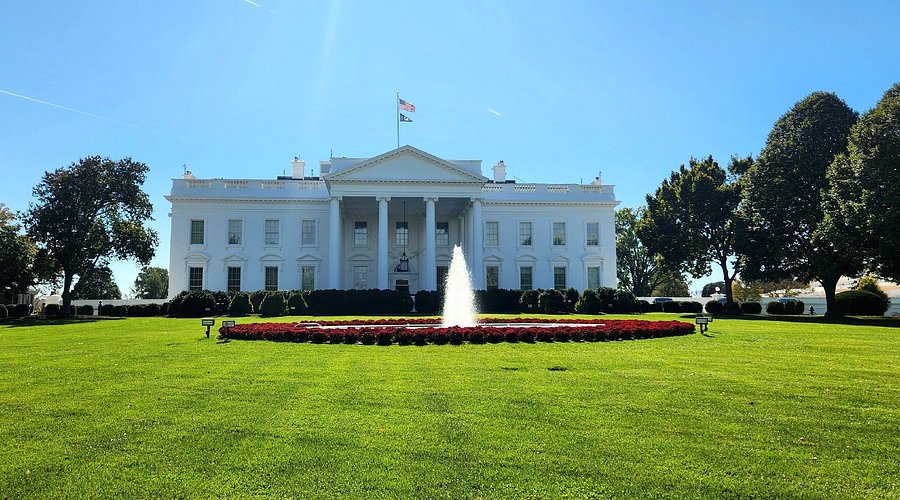
Donald Trump has pledged to protect the cryptocurrency industry and ensure that prediction markets “thrive” under his administration. The statement, reported by NBC News, marks perhaps the most explicit presidential embrace of event contract trading in American history — and it lands at precisely the moment the industry needs political cover most.
Think about the timing. Just months ago, Congress was asking uncomfortable questions about billion-dollar trading volumes on political outcomes. State attorneys general were filing suits. The CFTC was still licking its wounds from losing the Kalshi election contract case. And now the industry has something money can’t buy: a sitting president treating prediction markets not as a regulatory problem to solve, but as an innovation to champion.
This isn’t just rhetoric. Presidential statements carry weight with agency appointees, shape enforcement priorities, and signal to courts where executive branch sympathies lie. When a president says an industry should “thrive,” every lawyer in that industry immediately starts citing it in their next regulatory filing.
The Crypto-Prediction Market Convergence
Trump’s statement lumps cryptocurrency and prediction markets together — and that’s no accident. The two industries have become increasingly intertwined, with Polymarket’s latest markets running entirely on blockchain rails and traditional finance players like the NYSE’s parent company backing crypto-native prediction platforms at staggering valuations.
The convergence makes political sense too. Both industries share enemies: skeptical regulators, state gambling commissions treating event contracts as illegal betting, and a Democratic establishment that spent the last four years trying to squeeze both sectors through enforcement actions rather than rulemaking.
But the alliance carries risks. Crypto’s baggage — the FTX collapse, countless scams, the ghosts of failed projects still haunting new ventures — could drag prediction markets down by association. And prediction markets’ core pitch to regulators has always been that they’re fundamentally different from gambling. Cozying up to an industry Washington still treats with deep suspicion complicates that narrative.
Still, for now, the benefits outweigh the costs. Presidential backing gives both industries leverage they’ve never had before. The question is what they do with it.
The Lobbying Machine That Built This Moment
This endorsement didn’t materialize from nothing. Kalshi’s K Street operation has been building relationships in Republican circles for years, and the industry has poured 60% more into Washington lobbying compared to the previous cycle. Former Trump advisors now sit on prediction market company boards. The revolving door spins both ways.
What’s striking is how quickly the industry professionalized its political operation. Five years ago, prediction markets were a niche curiosity — interesting to economists, largely ignored by everyone else. Today they have PACs, lobbyists, and now explicit presidential support.
The lobbying war has been fought on multiple fronts. Robinhood wants in on election betting. Traditional exchanges eye the space. And every new entrant brings more lobbying dollars, more political connections, more pressure on regulators to create clear rules rather than regulate through enforcement.
Trump’s statement suggests the pressure is working. At minimum, it signals that the industry’s bet on building Republican alliances has paid off — at least for now.
What “Thrive” Actually Means in Regulatory Terms
Presidential platitudes are nice. But what does “thrive” translate to in practice?
A few possibilities emerge. First, the CFTC — which has been the primary federal regulator of prediction markets through its authority over derivatives — may pull back on enforcement actions. The agency’s leadership serves at the president’s pleasure. When the boss says an industry should flourish, aggressive prosecutions become harder to justify internally.
Second, the SEC — which has generally been more hostile to anything crypto-adjacent — may find its jurisdiction limited. There’s been ongoing regulatory turf warfare over who controls prediction markets. A president who wants the industry to thrive has every incentive to push jurisdiction toward the more accommodating agency.
Third, and perhaps most consequentially for the broader regulatory landscape, state-level crackdowns may face pushback. We’ve already seen Minnesota move to restrict prediction markets, with Ohio pursuing even more aggressive criminalization. A presidential endorsement doesn’t preempt state law, but it does change the political calculus for state officials — especially those eyeing federal office.
The industry’s wish list is longer, of course. Legislative safe harbors. Clear exemptions from gambling statutes. Perhaps even an explicit regulatory framework that legitimizes event contracts once and for all. Whether any of that materializes depends on factors beyond one president’s rhetoric. But the rhetoric matters. It sets the terms of debate.
The Risks Nobody’s Talking About
Here’s the part prediction market executives won’t say publicly: being a presidential favorite creates its own vulnerabilities.
Industries closely aligned with one party become targets for the other. If Democrats return to power, the prediction market sector now has a target painted on its back. Every regulatory accommodation made in the next few years becomes ammunition for future enforcement actions.
There’s also the Trump-specific risk. The president’s statements frequently create market volatility. A single Truth Social post recently erased 54 points of confidence in an Iran ceasefire market. An industry premised on aggregating information efficiently may find itself whipsawed by its own political patron’s social media habits.
And then there’s the legitimacy question. Prediction markets have long argued they’re superior to polling, better than punditry, a genuine tool for forecasting rather than mere speculation. That pitch works best when the markets operate at arm’s length from political power. An industry that openly cheers presidential backing risks looking less like an independent information aggregator and more like another interest group celebrating favorable treatment.
None of this means the endorsement is bad for business. It isn’t. But the industry’s long-term credibility depends on being seen as neutral infrastructure for price discovery — not a partisan cause. Walking that line just got harder.
Where This Goes From Here
The prediction market industry stands at an inflection point. It has capital, growing trading volumes, Wall Street backing, and now presidential support. What it doesn’t have is permanence. No statutory framework enshrines its existence. No bipartisan consensus protects it from the next administration’s priorities.
The smart money will use this window to build structural defenses — legislative text, regulatory precedents, institutional relationships that survive electoral cycles. Kalshi’s regulatory fight showed that courts can be allies, but court victories require ongoing litigation that drains resources and creates uncertainty.
Trump’s pledge to help prediction markets thrive is significant. But pledges are cheap. The real test comes when the industry asks for something specific — a rulemaking, a preemption of state gambling laws, an enforcement stand-down — and sees whether rhetoric translates to results.
For now, though, the industry has something it’s never had: a president who thinks it should exist. In Washington, that counts for more than it probably should.