
The Announcement Nobody Expected
Doppel Games just launched something genuinely weird. And I mean that as a compliment.
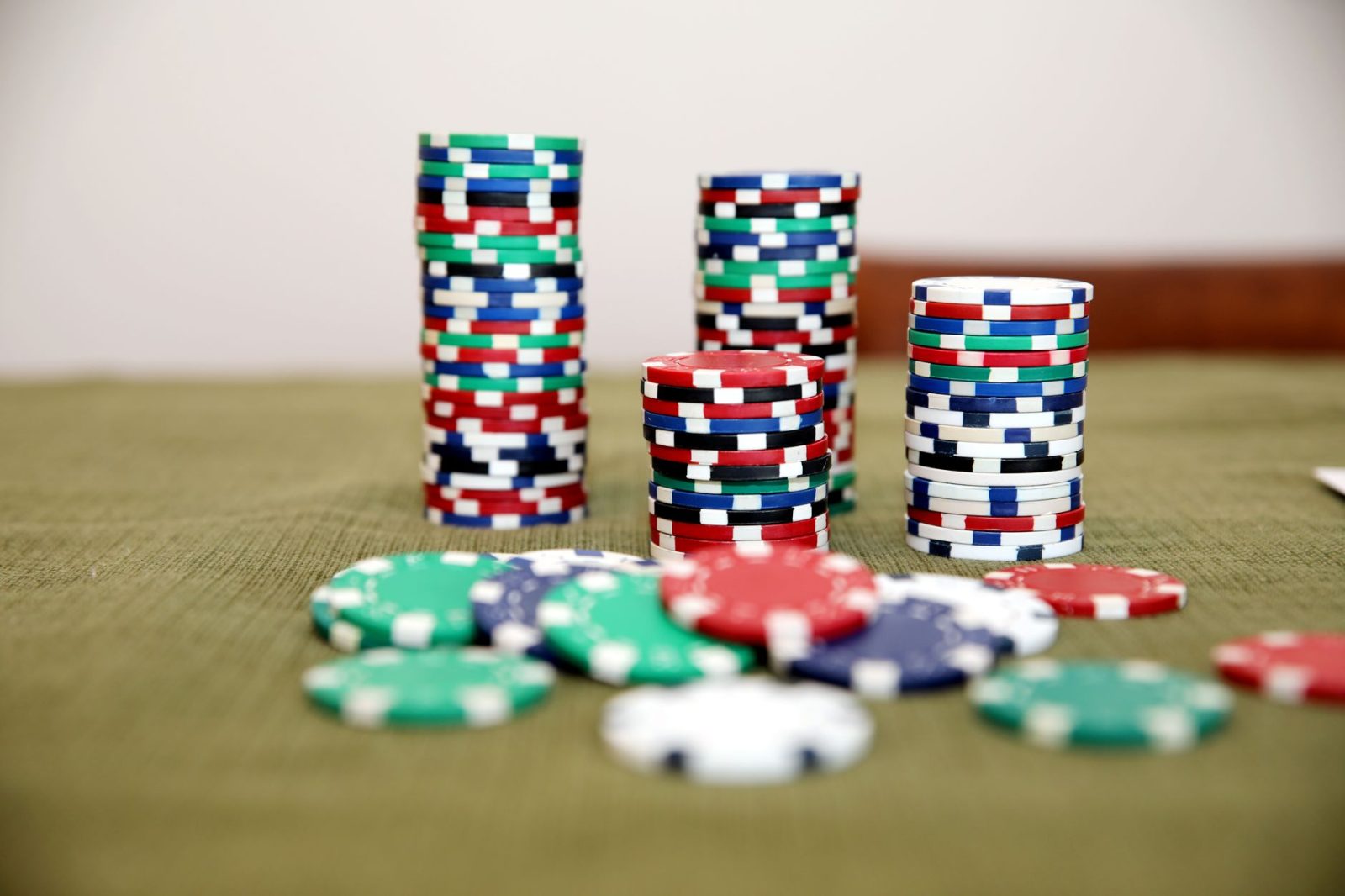
The company unveiled Texas Gold’em, a game that lets users make predictions on AI-powered poker matches. Not poker you play. Poker you watch. Poker where the players are artificial intelligence agents, and the entire point is forecasting which silicon-brained competitor will stack the other.
This is either the future of prediction markets or the most elaborate tech demo in gaming history. Probably both.
The concept sounds simple until you think about it for more than thirty seconds. Traditional prediction markets ask you to forecast real-world events — elections, economic indicators, what words a politician will say out loud. But Texas Gold’em creates its own closed universe. The outcomes exist only because the game exists. The AI opponents are the event. Your predictions become the market.
Doppel Games is betting — and that verb feels particularly appropriate here — that users want to engage with prediction mechanics without needing to care about geopolitics or corporate earnings. They’re decoupling the forecasting experience from the real world entirely.
What This Actually Is
Let’s be specific about the product. Texas Gold’em presents poker matches between AI agents. Users watch these matches unfold and make predictions about the outcomes. The predictions aren’t just win-lose binaries; the system appears designed for more granular forecasting about hands, chip stacks, and match progressions.
The AI element matters more than it might seem. These aren’t pre-scripted outcomes dressed up as competition. The artificial intelligence agents make decisions in real time, which means the matches have genuine uncertainty — the kind prediction markets require to function. Without that uncertainty, you just have a slot machine with extra steps.
This positions Texas Gold’em in an interesting regulatory gray zone. Traditional prediction markets have faced increasing scrutiny from state regulators worried about gambling dressed up as financial instruments. But what do you call a prediction market where the underlying event is a game that only exists to generate prediction opportunities?
The lawyers will love this one. And I don’t mean that sarcastically — regulatory ambiguity creates billable hours the way rain creates mud.
The Broader Industry Context
Doppel Games isn’t entering a vacuum. Prediction markets have exploded over the past year, with platforms like Kalshi and Polymarket processing unprecedented volume. Three weeks of record trading recently had industry analysts scrambling to explain what was happening. The answer, as usual, was that nobody really knew.
That uncertainty has attracted capital. Serious capital. Forty billion dollars worth of market confidence now suggests prediction markets could become core exchange infrastructure — not an alternative to traditional finance, but a complement to it. The NYSE’s owner backing Polymarket at a $15 billion valuation wasn’t a novelty investment. It was a thesis about where markets are headed.
But here’s the thing nobody in the industry wants to admit: most prediction market activity still clusters around elections and major political events. The product is spiky. It surges when something interesting happens and flatlines when it doesn’t. That’s fine for political junkies and professional forecasters. It’s terrible for building a sustainable business.
Texas Gold’em represents an alternative model. Generate your own events. Control the cadence. Create predictable unpredictability — which sounds like a contradiction but actually describes what casinos have been doing for centuries.
The Gaming Angle Nobody’s Discussing
Prediction markets and gaming have always been cousins who pretend not to know each other at family reunions. The campus gambling problem that prediction markets created isn’t really about prediction markets — it’s about the fact that betting mechanics have infiltrated every corner of digital entertainment, and nobody built guardrails because nobody wanted to admit what was happening.
Doppel Games appears to be leaning into this tension rather than running from it. The company is explicitly positioning Texas Gold’em as a game. Not a financial instrument. Not a forecasting tool. A game where you happen to make predictions and those predictions happen to have stakes.
This framing matters enormously for regulatory purposes. Ohio recently moved to criminalize certain prediction market activities. Nevada regulators have signaled their intent to claim jurisdiction. The state-by-state crackdown on prediction market platforms has already begun, and it’s accelerating.
But games have different rules. Literally. Gaming commissions regulate differently than financial regulators, and the jurisdictional questions become even murkier when the “gambling” involves artificial intelligence playing cards against itself while humans forecast the results.
I’ve sat in enough depositions to know that the first question any regulator will ask is: “What exactly is this?” The longer that question takes to answer, the longer the company operates without clear regulatory oversight.
What Doppel Games Hasn’t Said
The announcement raises more questions than it answers. What’s the economic model? Are users paying to make predictions, or earning from accurate ones, or both? What blockchain infrastructure, if any, underlies the platform? How does Doppel Games plan to handle the inevitable manipulation attempts when users realize they can watch AI behavior patterns and exploit them systematically?
The company also hasn’t addressed the obvious concern: if AI agents are playing poker, someone trained those agents. The training data, the reward functions, the optimization targets — all of these choices influence how the AI “plays” and therefore which predictions are more likely to succeed. The house doesn’t always win in prediction markets the way it does in casinos. But the house does control the parameters of reality itself. That asymmetry deserves scrutiny.
For now, Texas Gold’em exists as an announcement. First games in new categories always feel more like statements of intent than finished products. The question isn’t whether Doppel Games has built something interesting — they clearly have. The question is whether they’ve built something sustainable.
The Prediction Market Future Being Sketched Here
Wall Street’s sharpest traders have already found their edge in prediction markets. Institutional capital is flowing in. Regulatory frameworks are being contested and constructed simultaneously. And now we have a company saying: forget all that. Forget predicting elections or earnings or whether the Fed will move rates. Predict what this AI will do in this poker hand, right now, in this game we built specifically so you could predict it.
That’s either pure genius or complete madness. Experience suggests those two things are harder to distinguish than anyone wants to admit.
The prediction market industry has been searching for use cases that work during political off-years. Robinhood wants election bets, but elections happen on a schedule. Sports prediction markets face their own regulatory challenges. Weather derivatives never captured retail imagination the way their proponents hoped.
Gaming-native prediction markets — events created specifically to be predicted — might be the answer nobody was looking for. Or they might be a distraction from the harder work of building genuine forecasting infrastructure for real-world events.
Texas Gold’em launches as the prediction market industry stands at its own inflection point. The next two years will determine whether these platforms become permanent financial infrastructure or get regulated into niche irrelevance. Doppel Games just added a wildcard to that deck.
The AI will play its hand. The users will make their predictions. And the rest of us will watch to see who was right.