
The prediction market that spent years fighting regulators for the right to exist just landed the kind of partnership that makes those battles look prescient.
The Deal That Changes the Conversation
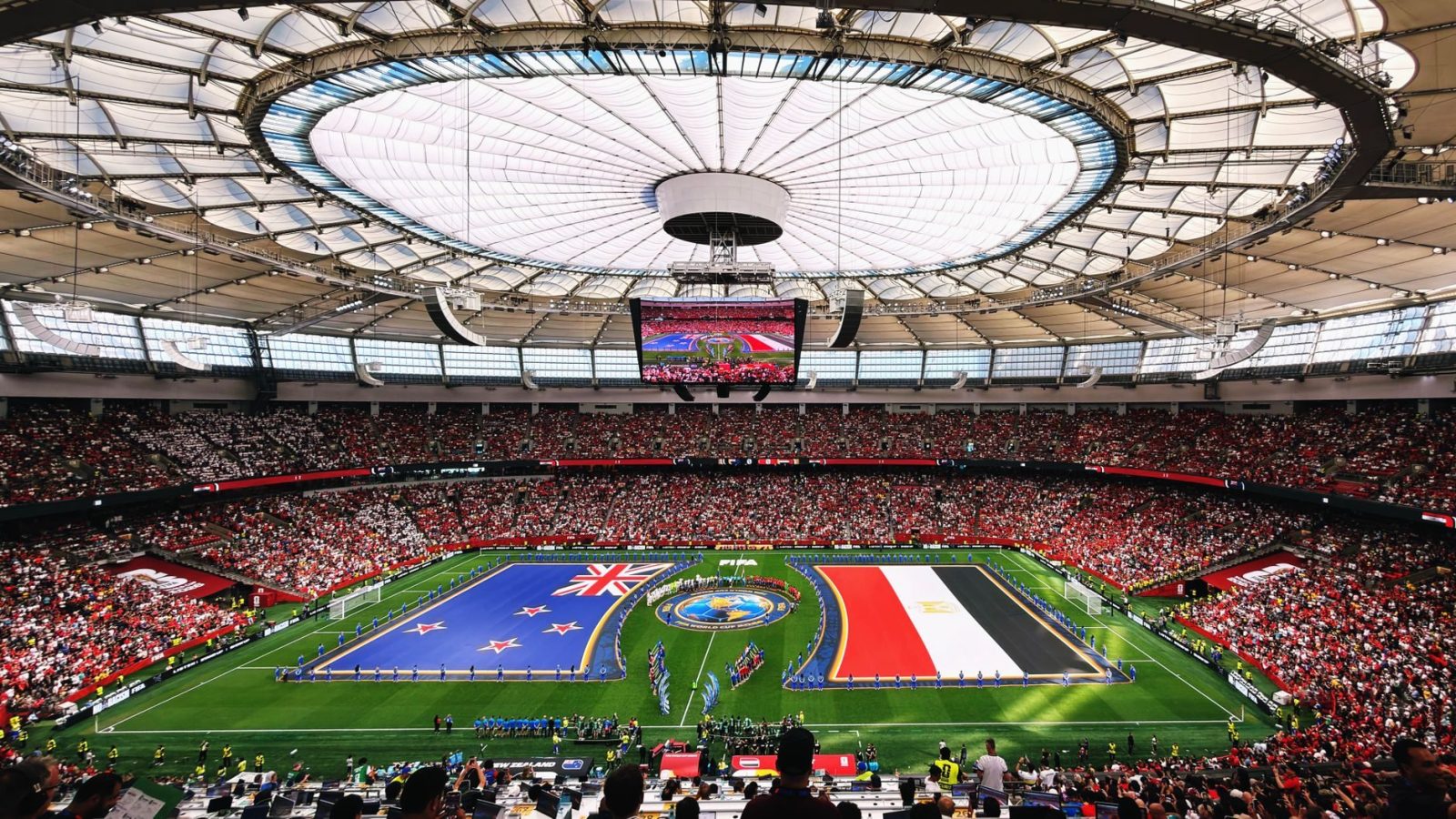
Kalshi — the CFTC-regulated exchange that has become synonymous with the phrase “legal prediction markets” in the United States — announced a partnership with FIFA ahead of the 2026 World Cup. The tournament, which will be hosted across North America for the first time, represents the single largest sports event the prediction market industry has ever had the opportunity to capture.
And Kalshi isn’t treating it like a marketing exercise. They’re treating it like a beachhead.
The partnership arrives at a moment when prediction market trading volumes have surged to record levels. The industry that once measured success in millions of dollars wagered now counts in billions. What was a niche product beloved by academics and economics nerds has become the subject of intense Wall Street interest — and regulatory scrutiny — on a scale that would have seemed absurd even two years ago.
For Kalshi specifically, the FIFA deal represents something more than brand awareness. It’s proof of concept. The company has spent the better part of three years convincing skeptics that prediction markets can operate within the American regulatory framework without becoming the gambling dens that critics feared. A partnership with the world’s most valuable sports property suggests at least one major institution believes them.
Volume Records Don’t Lie — But They Don’t Tell the Whole Story Either
The surge in prediction market trading isn’t a Kalshi-specific phenomenon. Across the industry, platforms have reported record weeks back to back. Three weeks of record volume and counting — and the explanations range from macro uncertainty to retail boredom to the simple reality that people have figured out these products exist.
The truth is probably all three, plus something harder to quantify: legitimacy creep. Every time a major institution partners with a prediction market, every time a Bloomberg terminal adds probability data, every time a cable news anchor casually references “what the markets say” about an election or a rate decision, the Overton window slides a little further. Prediction markets stop being exotic and start being infrastructure.
That’s the play Kalshi is making. Not to be a casino with better odds, but to be the place where informed capital expresses opinions about future events. The distinction matters more than it might seem. Casinos are regulated one way, exchanges another. The exchange classification is what allows Kalshi to operate nationally while sportsbooks remain trapped in a patchwork of state-by-state licensing.
The FIFA partnership reinforces that positioning. You don’t see FanDuel landing World Cup sponsorships. The leagues and federations that control major sports properties have historically kept gambling companies at arm’s length — close enough to extract sponsorship revenue, far enough to maintain plausible deniability. Prediction markets occupy a different category in the minds of these institutions, whether that distinction holds up to philosophical scrutiny or not.
Why the World Cup Specifically — And Why Now
The 2026 tournament isn’t just any World Cup. It’s an expanded 48-team format, the first ever held across three countries, and the first where the United States will serve as primary host since 1994. The eyeballs will be staggering. The betting volume — both legal and otherwise — will be astronomical.
For prediction markets, the World Cup offers something elections can’t: low stakes in the governance sense, high stakes in the entertainment sense. Nobody worries about market manipulation when you’re trading on whether Argentina beats Mexico in the group stage. The political sensitivities that have dogged election markets — concerns about voter suppression implications, questions about foreign interference, pearl-clutching from both parties about the dignity of democracy being reduced to a wagering line — simply don’t apply.
Sports, in other words, is the easier sell. It’s also the bigger market.
World Cup 2026 odds are already live on multiple platforms, and the early action has been substantial. Brazil remains the betting favorite on most markets, though Argentina’s back-to-back Copa América wins have tightened that gap considerably. The host nations — particularly the United States — have drawn speculative money from retail traders convinced that home field advantage matters more than FIFA rankings suggest.
Whether any of that positioning proves prescient won’t be known for another eighteen months. But the trading activity itself demonstrates demand. People want to express opinions on this tournament. They want to do it with real money on the line. And increasingly, they’re choosing prediction markets over traditional sportsbooks to do it.
The Regulatory Shadow That Hasn’t Lifted
None of this happens in a vacuum. Kalshi’s ability to operate as a prediction market rather than a gambling platform stems from a series of regulatory victories that could still be reversed.
The CFTC approved Kalshi’s event contracts structure years ago, but that approval has been tested repeatedly. The regulatory fights continue at the federal level, and state regulators have proven even more aggressive. Illinois wants to tax prediction markets like casinos. Ohio is considering outright prohibition. New York has sued crypto-adjacent platforms on gambling grounds that could theoretically extend to Kalshi’s competitors.
The company has responded by going on offense. Kalshi’s legal challenge in Illinois argues that the state’s proposed taxation scheme violates federal preemption doctrine — that a CFTC-regulated exchange can’t be treated as a gambling operation by states seeking revenue. The argument is legally novel and politically charged. Its outcome will matter far beyond Illinois.
Meanwhile, the company’s valuation has surged to levels that suggest investors believe the regulatory battles will ultimately be won. The $40 billion number that’s been floated in recent funding discussions would make Kalshi one of the most valuable fintech companies in the country — valued more highly than many of the sportsbooks it ostensibly competes with.
That valuation assumes growth that requires regulatory clarity. The FIFA partnership is one step toward that clarity. But only one.
What This Means for the Industry
Prediction markets have always had a legitimacy problem. Not a legal one — their legal status is clearer than critics often suggest — but a perception one. To most Americans, betting on events is gambling, and gambling carries cultural baggage that no amount of academic research on “information aggregation” can fully overcome.
Partnerships change that perception faster than white papers ever could. When FIFA — the institution that controls the most watched sporting event on the planet — aligns itself with a prediction market, the implicit endorsement matters. It signals to other sports properties that these platforms are safe to work with. It signals to regulators that prohibition would mean fighting institutions with serious lobbying power. It signals to retail traders that this isn’t some crypto casino operating from a Seychelles server farm.
The latest news cycle has been dominated by prediction market stories for months now. Volume records. Funding rounds. Regulatory skirmishes. Celebrity partnerships. The FIFA deal is the biggest yet, but it won’t be the last. The NBA has been quietly exploring similar arrangements. Major League Baseball has had exploratory conversations. The NFL remains characteristically cautious, but even their resistance shows signs of softening.
What Kalshi is building — what Polymarket is building on the crypto side, what Robinhood is attempting to bolt onto its existing retail platform — is the infrastructure for a new asset class. Event contracts that trade like derivatives, settle like sports bets, and price like options markets. The combination shouldn’t work on paper. In practice, it’s working better than anyone expected.
The FIFA World Cup will be the biggest test yet. Billions of people will watch. Millions will want to trade. And for the first time, a significant chunk of that activity will flow through platforms designed from the ground up to handle it — platforms that view themselves as exchanges first, entertainment products second.
That’s the bet Kalshi is making. The partnership suggests FIFA is willing to make it alongside them.