

The source article appears to contain only a cookie consent interface and language selection menu rather than substantive content about prediction markets or trading habits. Given this limitation, I’ll note that the original headline suggested a piece about trading behaviors that markets reward more than raw prediction accuracy — a genuinely important topic in this space.
The Discipline Nobody Wants to Talk About
There’s a persistent myth floating through prediction market forums and trading desks alike: that success comes from being right more often than you’re wrong. It sounds intuitive. And it’s almost entirely backwards.
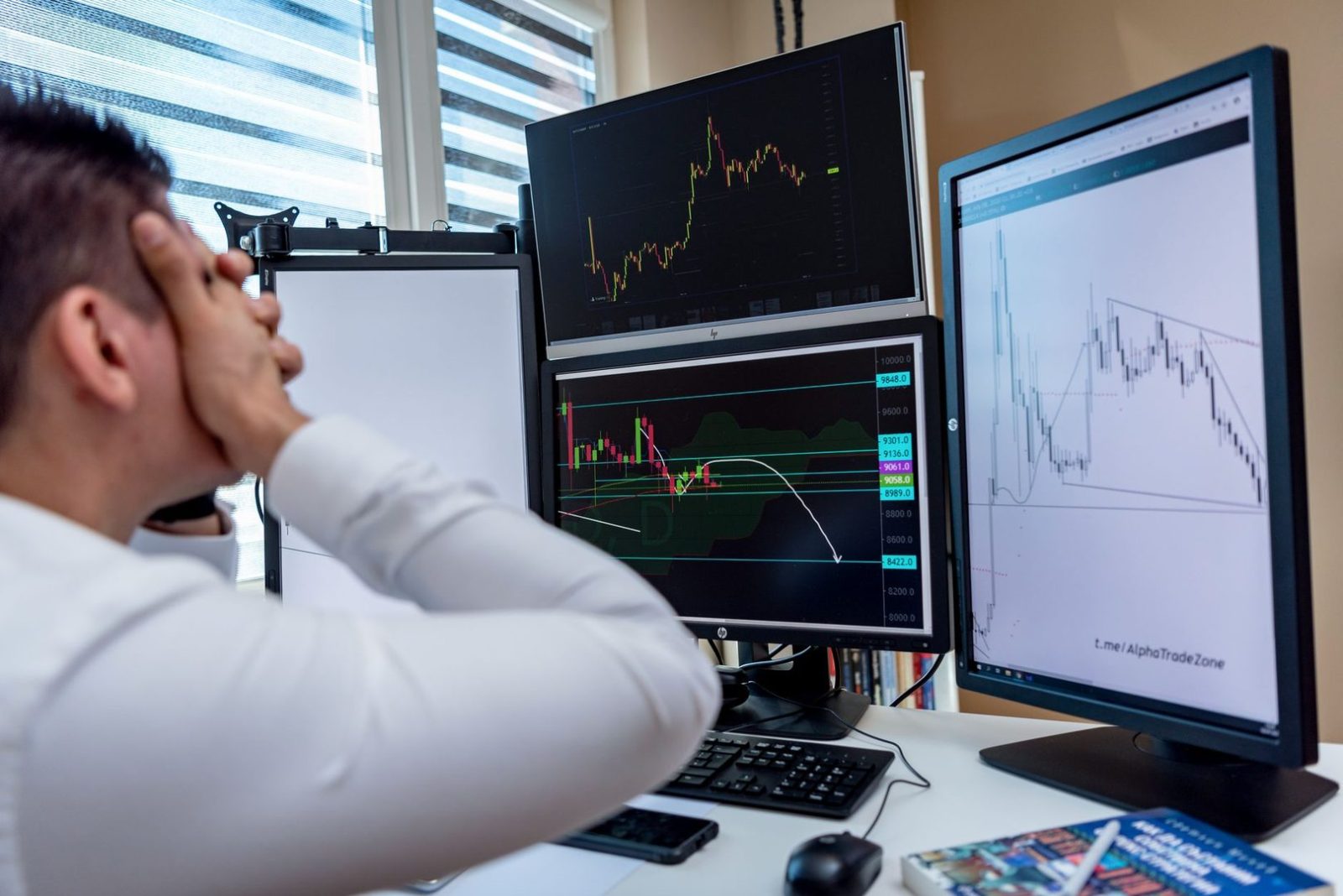
The traders who consistently extract value from platforms like Polymarket aren’t necessarily the ones with the sharpest political instincts or the deepest economic models. They’re the ones who have developed something far more mundane and far more valuable — systematic habits around position sizing, exit discipline, and emotional management.
I’ve watched brilliant analysts blow up their accounts on prediction markets because they couldn’t resist doubling down when they “knew” they were right. Meanwhile, traders with mediocre forecasting ability compound steady returns by treating every position like a probability exercise rather than a conviction trade. The market doesn’t care how smart you are. It cares whether you survive long enough to collect on the positions you sized correctly.
What the Volume Numbers Actually Tell Us
Consider what’s been happening across regulated exchanges. DraftKings entered the prediction market arena with significant fanfare, and Kalshi’s valuation surge to $40 billion tells you institutional money sees something beyond a novelty asset class.
But buried in those volume figures is a quieter story. The accounts generating consistent returns aren’t the high-profile whales making concentrated bets on single events. They’re the grinders who spread risk across dozens of uncorrelated markets, who take profits mechanically instead of chasing home runs, and who — this is crucial — maintain trading journals that track not just outcomes but process.
When the CFTC started asking questions about Polymarket, one of the implicit concerns was whether retail participants understood what they were getting into. The evidence suggests many don’t. But the ones who thrive have internalized something regulators can’t teach: that the habit of systematic review matters more than any individual forecast.
The International Dimension Nobody Mentions

This pattern holds across jurisdictions. In our international coverage of prediction market activity, the same behavioral divide appears whether you’re looking at crypto-native platforms operating offshore or regulated exchanges in established financial centers. Geography changes the legal wrapper. It doesn’t change human psychology.
Traders in markets from Singapore to Hong Kong face identical cognitive traps. The overconfidence bias that makes someone double down after three correct calls. The recency effect that weights last week’s outcome more heavily than the base rate. The sunk cost fallacy that keeps positions open long past their expiration date.
What separates professionals from enthusiasts isn’t access to better information — in prediction markets, the information is usually quite public. It’s the ruthless self-awareness about their own decision-making patterns. The best traders I’ve encountered keep spreadsheets not just of their wins and losses, but of the emotional state they were in when entering each trade. It sounds almost therapeutic. It also works.
The Process Over Prediction Framework
Kalshi’s regulatory fight has drawn attention to the structural questions around prediction markets — who can offer them, how they should be taxed, whether they constitute gambling or financial instruments. These are important questions. But they’re separate from the question individual traders face every time they log into a platform.
That question is simpler and harder: Can you execute a disciplined process even when your conviction screams otherwise?
The research on this is fairly consistent across asset classes. Traders who follow systematic rules outperform their own predictions when they deviate from those rules. Put differently: your process on average beats your gut on average, even when your gut is occasionally brilliant. This is counterintuitive for smart people. Smart people trust their analysis. And their analysis is often correct! But correctness and profitability aren’t the same thing.
A prediction that’s 70% accurate but consistently oversized when wrong will bleed capital. A prediction that’s 55% accurate but sized appropriately and exited according to predetermined criteria will compound. Markets reward the latter habit more than the former insight.
Where the Industry Goes From Here
The institutional interest in prediction markets — Meta exploring the space, Wall Street’s quiet obsession becoming not so quiet — suggests the asset class is maturing. Maturation typically means more sophisticated participants, tighter spreads, and harder edges to find.
In that environment, the behavioral advantages become even more important. When everyone has access to roughly the same information and roughly the same analytical tools, the differentiator becomes execution discipline. It becomes the ability to cut losses mechanically. It becomes the habit of reviewing trades not to celebrate wins but to identify process breakdowns.
None of this is sexy. Nobody brags on Twitter about their risk management spreadsheet or their predetermined position limits. But the compound effects are real, and the prediction market boom — now breaking records weekly — is separating participants into two camps faster than ever.
One camp treats prediction markets as an outlet for opinions, a way to put money behind their convictions. Sometimes they win big. Sometimes they blow up. The experience is volatile.
The other camp treats prediction markets as a probability game where the goal is expected value over time, not vindication of any single view. They miss some obvious wins. They also avoid the obvious disasters. Over a long enough timeframe, they’re the ones still trading.
The market rewards the second group. Not because they’re smarter. Because they’ve built better habits. And habits, unlike predictions, actually compound.