

The original promise of prediction markets was elegant in its simplicity: aggregate dispersed information, price it efficiently, and let the crowd wisdom speak. What nobody mentioned was that you’d need a small arsenal of analytics platforms, API integrations, odds converters, and tracking dashboards just to participate competently.
We are now deep enough into the prediction market boom that the infrastructure play separating winners from also-rans has become impossible to ignore. The platforms themselves — Kalshi, Polymarket, the new entrants circling — are only one layer of a stack that sophisticated traders have been quietly assembling for years. And if you’re still refreshing browser tabs to check your positions, you’ve already lost.
The Tracker Arms Race Nobody Talks About
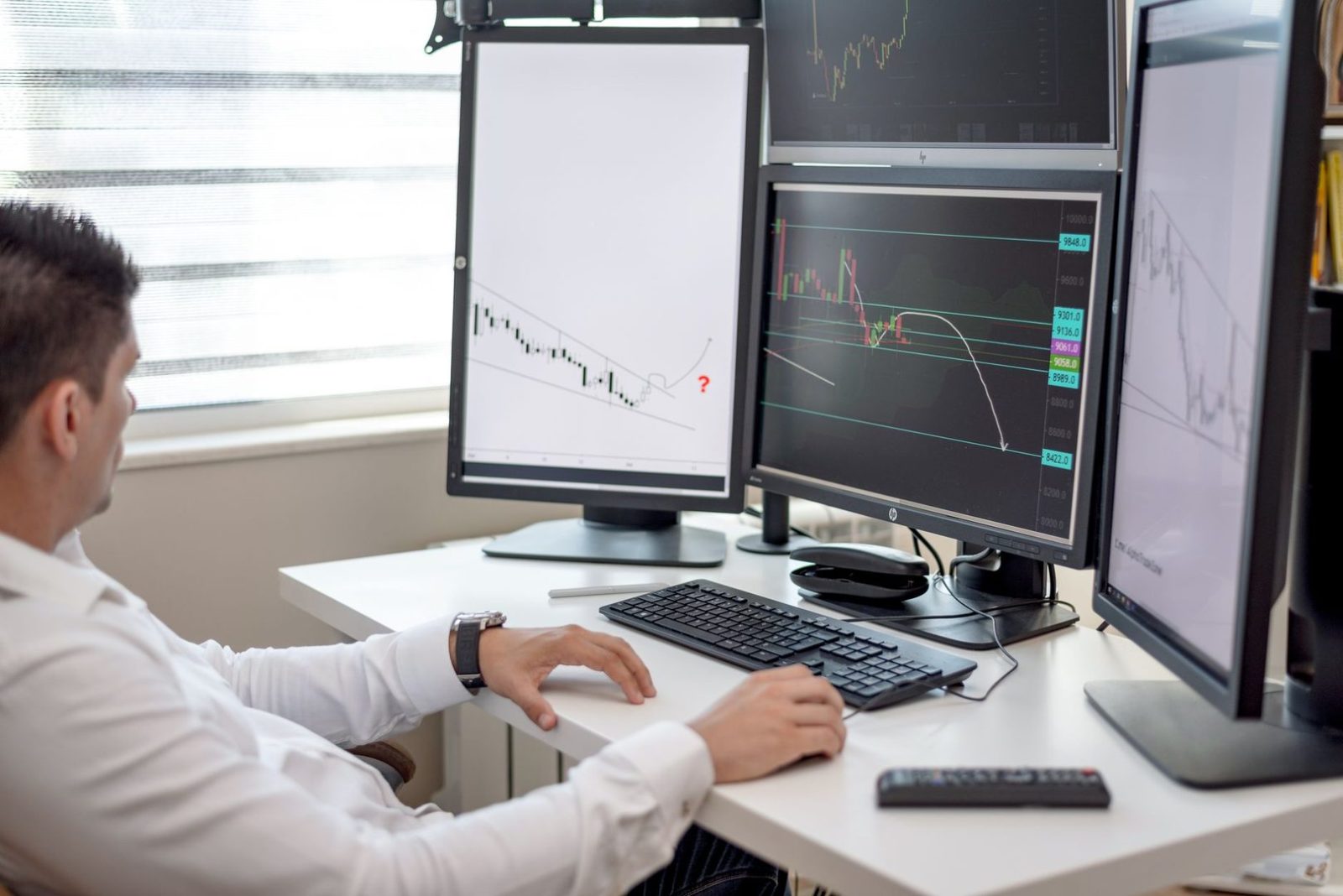
Position tracking sounds mundane until you’re juggling contracts across multiple exchanges with different settlement mechanics, fee structures, and liquidity profiles. The serious money isn’t manually updating spreadsheets. It’s piping real-time data into custom dashboards that surface arbitrage opportunities before they evaporate.
Third-party trackers have emerged to fill the gap between what platforms provide natively and what traders actually need. Some aggregate odds across exchanges, highlighting when Polymarket’s latest markets diverge from Kalshi’s prices on the same underlying event. That divergence — sometimes lasting only minutes — is where edge lives. Others track historical price movements to identify patterns in how markets react to specific news categories.
The challenge is that prediction markets remain young enough that tooling quality varies wildly. A tracker that worked beautifully during the 2024 election cycle might struggle with sports contracts or corporate earnings events. The data schemas are inconsistent. Resolution criteria differ between platforms. And nobody has yet built the Bloomberg Terminal equivalent for this space — though Wall Street’s quiet obsession with prediction markets suggests that product is coming, probably sooner than the incumbents expect.
AI Analytics: Promise Versus Performance
Every fintech pitch deck now includes the letters A and I somewhere prominent. Prediction market tooling is no exception. The sales pitch writes itself: machine learning models ingesting news feeds, social sentiment, historical resolution data, and platform-specific liquidity patterns to generate trade recommendations faster than any human analyst could.
The reality is messier. Most AI analytics tools in this space remain glorified sentiment aggregators — useful for catching obvious mispricings but nowhere near sophisticated enough to extract consistent alpha. The models struggle with the fundamental uncertainty that makes prediction markets interesting in the first place. They’re pattern-matchers trained on historical data, and prediction markets by definition deal with events that haven’t happened yet.
That said, AI agents crawling prediction markets represent a real frontier. The best implementations aren’t trying to predict outcomes directly. Instead, they’re identifying when market prices deviate from calculable probabilities — a contract on Fed rate decisions trading at odds that ignore the futures curve, for instance, or an election market failing to incorporate new polling data fast enough.
The winners in AI-assisted prediction market trading won’t be the firms with the most sophisticated models. They’ll be the ones who understand what questions to ask the models and, critically, when to ignore the output entirely.
APIs: The Connective Tissue of Modern Trading
If trackers are the eyes and AI analytics the brain, APIs are the nervous system connecting everything. The platforms themselves offer varying levels of API access, and the quality of that access increasingly determines who can compete at scale.
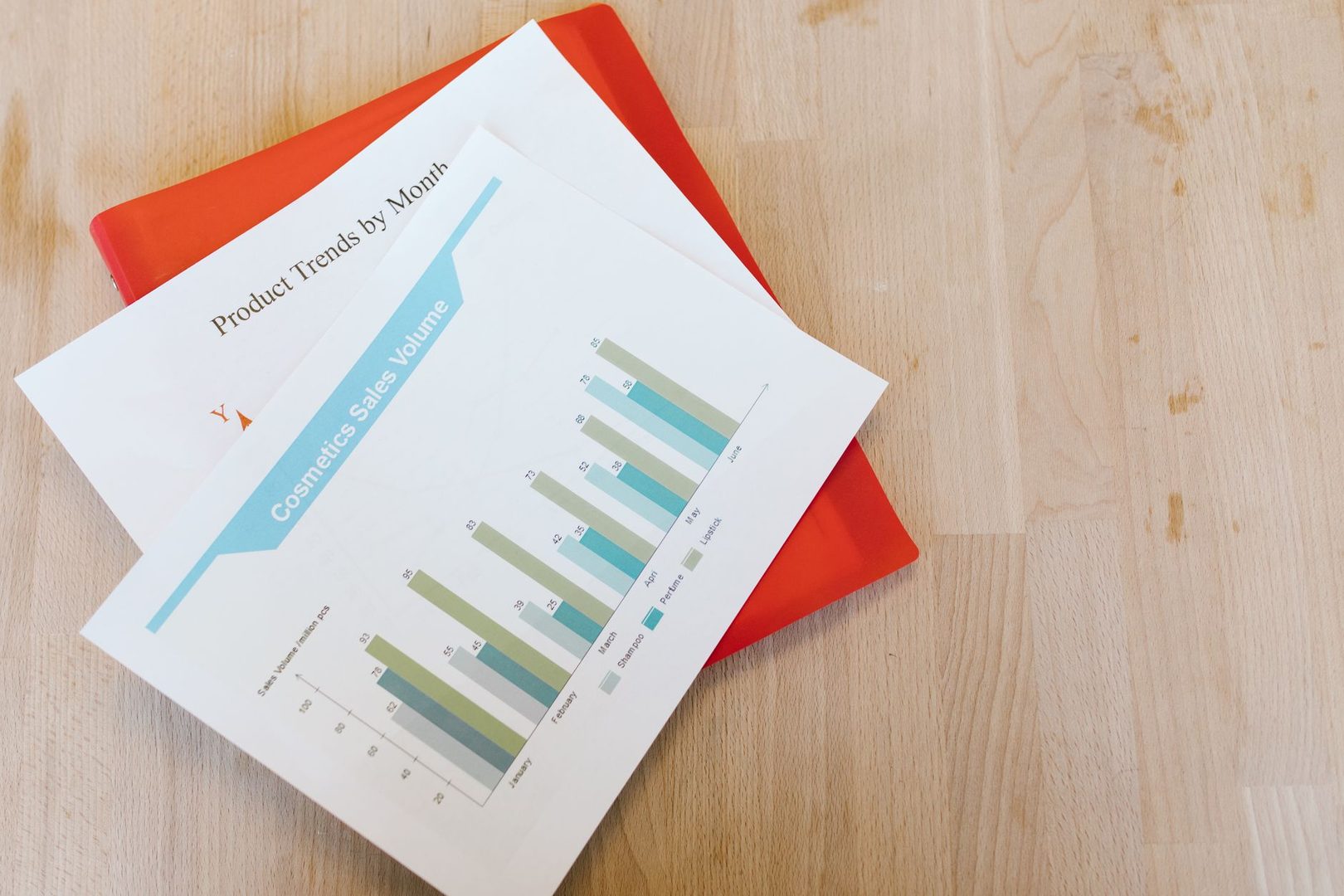
Kalshi’s API has matured significantly since launch, supporting everything from programmatic order placement to real-time market data streaming. Kalshi’s regulatory fight has actually strengthened its technical infrastructure in some ways — the company knew it needed to demonstrate institutional-grade capabilities to survive CFTC scrutiny. Polymarket’s API reflects its crypto-native architecture, with on-chain settlement adding complexity but also transparency that traditional platforms can’t match.
The traders extracting consistent returns have built custom integrations that treat these APIs as raw inputs to larger systems. They’re not placing manual orders through web interfaces. They’re running algorithms that monitor dozens of markets simultaneously, executing when specific conditions trigger, and adjusting position sizes based on real-time liquidity assessments.
This creates an uncomfortable truth for retail participants: the playing field isn’t level. It never was, of course — that’s true in every financial market. But prediction markets sold themselves partly on accessibility and crowd wisdom. The gap between what’s theoretically possible for anyone with internet access and what’s practically achievable without serious technical infrastructure grows wider every month.
Odds Converters and the Translation Problem
Here’s something that trips up even experienced traders: prediction markets quote prices in cents (or percentages) while traditional sports betting uses fractional or decimal odds. The translation isn’t complicated, but it creates friction that slows execution and introduces error.
An odds converter sounds trivially simple. Price at 43 cents equals 43% implied probability equals +132.6 American odds equals 2.326 decimal odds. Any competent spreadsheet can handle this. But the real complexity emerges when you’re comparing prices across markets with different fee structures, different spreads, and different liquidity at different price levels.
The best converters don’t just translate numbers. They incorporate the full context: what you’d actually pay to enter a position, what you’d receive upon exit, and whether sufficient liquidity exists at the displayed price. This is where prediction market journalism’s infrastructure problem bleeds into trading itself. The public-facing data often obscures the true cost of participation.
Sophisticated odds converters have also started incorporating cross-platform comparisons that highlight when the same underlying event is priced differently across exchanges. This isn’t arbitrage in the traditional sense — you can’t simultaneously buy and sell the same contract on different platforms to lock in risk-free profit. But you can identify which venue offers better value for a given directional bet.
The Data Quality Problem Nobody Wants to Acknowledge
Underneath all these tools lies a fundamental challenge: prediction market data quality remains inconsistent at best and misleading at worst. Historical price data has gaps. Volume figures sometimes include test transactions. Resolution times vary unpredictably. And nobody has standardized how to handle contracts that get voided, modified, or extended.
This matters enormously for anyone building analytics on top of platform data. Backtesting strategies requires clean historical records, and those records simply don’t exist in many cases. The industry is young enough that robust data infrastructure hasn’t caught up with trading activity — a problem we’ve covered extensively in our ongoing look at prediction market developments.
The platforms themselves have limited incentive to fix this. Their core business is facilitating trades, not providing pristine datasets for third-party analysis. And the third-party tools that do exist often paper over data quality issues rather than solving them, creating results that look more reliable than they actually are.
What Actually Works
After watching this space for years, a few observations stand out about what separates effective tooling from noise:
Simplicity beats complexity almost every time. The traders who consistently extract value aren’t running the most sophisticated AI models or the most elaborate tracking systems. They’re using straightforward tools that do one thing well — usually monitoring a specific type of mispricing that they understand deeply.
Speed matters less than most people assume. Yes, algorithmic traders can execute faster than humans. But most prediction market mispricings persist for hours or days, not milliseconds. The edge comes from identifying those mispricings first, not from executing marginally faster.
Integration quality trumps feature count. A tool that connects seamlessly to your existing workflow — whether that’s a spreadsheet, a Discord channel, or a custom dashboard — will get used. A tool with impressive features that requires manual data entry will collect dust.
And perhaps most importantly: no tool substitutes for understanding the underlying markets. The best analytics in the world can’t help you if you don’t understand why a contract on Fed policy should trade at a specific price, or why an election market might lag polling data for behavioral rather than informational reasons.
The Tooling Future We’re Building Toward
The prediction market tooling ecosystem is roughly where crypto infrastructure was in 2017 — promising, messy, and evolving rapidly. DraftKings entering the prediction market arena signals that serious operators with real engineering resources are now competing to build better tools. That competition will benefit everyone eventually, though the transition period may be painful for early movers whose advantages get competed away.
What’s coming, if the industry continues its current trajectory: consolidated platforms that aggregate data across exchanges. Standardized API specifications that reduce integration complexity. AI tools sophisticated enough to actually enhance rather than merely automate human analysis. And eventually, the Bloomberg Terminal equivalent that institutional traders are already asking for.
Until then, the tooling gap remains one of the less-discussed competitive moats in prediction markets. The platforms get the attention. The regulations get the headlines. But the traders actually making money have quietly built infrastructure that most observers never see — and probably couldn’t replicate even if they did.