

The prediction markets industry just became a lot more interesting — and not in the way the platforms were hoping.
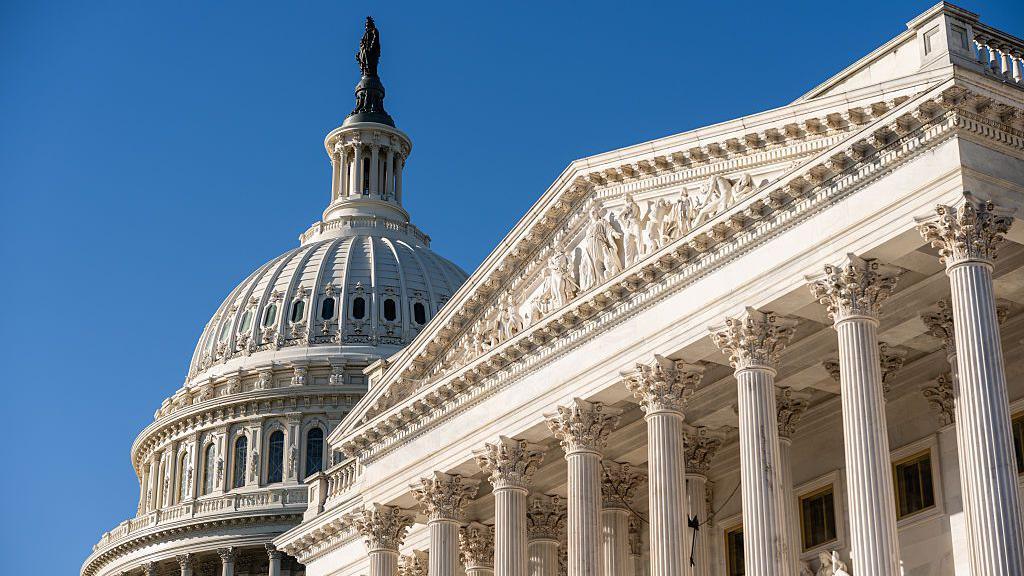
Washington has turned its attention to the rapidly expanding world of event contracts and real-money wagering on everything from election outcomes to economic indicators. The scrutiny arrives at a peculiar moment: these markets have never been more visible, more liquid, or more legally ambiguous. And the regulators who spent years treating prediction markets like a curiosity have started treating them like a problem.
The Regulatory Awakening
For years, prediction markets operated in a kind of regulatory twilight. The Commodity Futures Trading Commission had jurisdiction. Everyone knew that. But the agency moved slowly, deliberately, often seeming unsure whether these platforms represented innovative price discovery mechanisms or gambling operations wearing a thin coat of financial respectability.
That uncertainty is evaporating. Fast.
The CFTC has been stepping up enforcement actions and tightening its interpretive guidance around what constitutes a legitimate derivatives market versus an illegal gaming operation. The distinction matters enormously — it’s the difference between running a regulated exchange and running something that looks, to prosecutors, an awful lot like a sportsbook without a license.
Kalshi, the New York-based exchange that has positioned itself as the compliant, federally regulated alternative in this space, has been at the center of Kalshi’s regulatory fight for years now. The company won a significant court battle last year that allowed it to list contracts on congressional control. But winning in court and winning with regulators are different games entirely. The CFTC appealed. The fight continues. And meanwhile, the agency keeps asking harder questions about what kinds of events should be tradeable at all.
The Offshore Question
Then there’s the elephant nobody in Washington wants to name directly but everyone keeps circling: offshore platforms.
Polymarket, the crypto-native prediction market that exploded in visibility during the 2024 election cycle, operates outside U.S. regulatory jurisdiction. American users are technically prohibited from trading there. But technical prohibitions and actual behavior rarely align perfectly in crypto markets. Polymarket’s volumes during major political events have dwarfed those of any U.S.-regulated competitor.
This creates what lawyers call a “regulatory arbitrage” problem and what normal people call an unfair fight. Domestic platforms like Kalshi operate under strict position limits, disclosure requirements, and product approval processes. Offshore platforms operate under… well, considerably less. The result is predictable: volume flows to wherever the rules are lightest.
Washington’s stepped-up scrutiny isn’t just about protecting retail traders from themselves — though that argument gets made. It’s about whether a regulatory framework designed for traditional derivatives can adapt to markets where the underlying “commodity” is the outcome of a Senate race or a Supreme Court confirmation hearing.
Check out Polymarket’s latest markets and you’ll see contracts on everything from geopolitical conflicts to celebrity behavior. Some of these feel like legitimate information aggregation. Others feel like prop bets dressed up in financial language. Where exactly the line falls — that’s what regulators are trying to figure out.
The Information Value Argument
Advocates for prediction markets make a compelling case. These platforms aggregate dispersed information in ways traditional polling or punditry cannot. When thousands of traders put real money behind their forecasts, the resulting prices often prove more accurate than expert consensus. Academic research supports this. The Iowa Electronic Markets demonstrated it decades ago. The theory is solid.
But theory and politics rarely shake hands.
The practical reality is that prediction markets touching elections make lawmakers deeply uncomfortable. The optics are terrible: voters seeing their democratic participation reduced to trading positions, candidates watching their odds fluctuate like a meme stock, journalists citing market prices as if they were polling data. Even if the information value is real, the perception problem is equally real.
And perception drives regulation more often than anyone in the industry wants to admit.
What Comes Next
The pattern here follows a familiar Washington script. First comes visibility — prediction markets got plenty of that in 2024. Then comes concern, usually articulated through letters from senators and hearings with carefully rehearsed questions. Then comes regulatory response, sometimes measured, sometimes overcorrecting badly.
We’re somewhere between concern and response right now. The CFTC is conducting reviews. Congressional staffers are drafting oversight questions. State gaming regulators — who have their own jurisdictional claims to press — are watching carefully.
The most likely outcome isn’t a dramatic crackdown. Dramatic crackdowns require political will that probably doesn’t exist for something as niche as prediction markets. More likely is a tightening: narrower product approvals, stricter enforcement against offshore access, maybe new position limits that make large-scale trading impractical.
For the platforms themselves, this means legal bills and compliance costs will keep climbing. For traders, it means domestic options may remain limited compared to what’s available — technically illegally — elsewhere.
The prediction market industry spent years trying to prove it was legitimate. Now it’s discovering that legitimacy comes with its own costs.