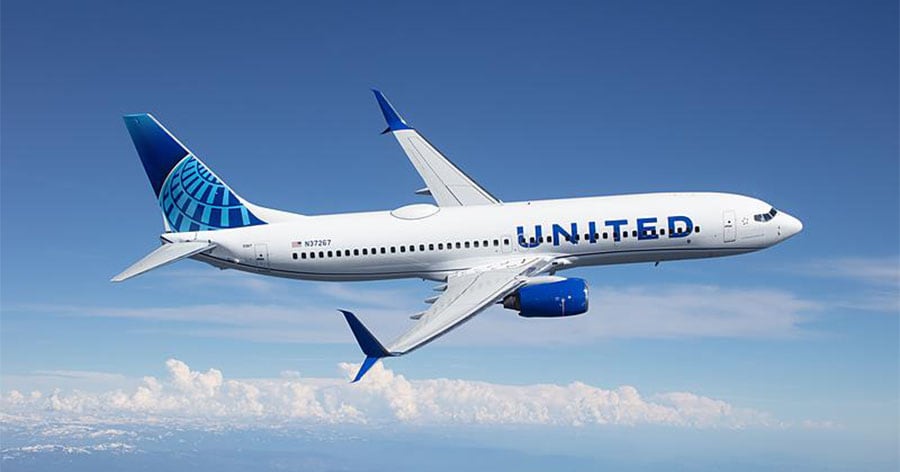

United Airlines drops its Q1 2025 earnings report on Tuesday, April 15th, and the prediction markets are already positioning around what might be the most closely watched airline call of the quarter. Not because the numbers themselves carry unusual mystery — analysts have their models, the company has its guidance — but because CEO Scott Kirby has become something of a wild card in an industry that typically rewards scripted blandness.
The Kirby Factor: When CEOs Become Market Events
Scott Kirby doesn’t do boring earnings calls. That’s either a feature or a bug depending on your position and your risk tolerance. The man has a habit of saying things that move markets — sometimes intentionally, sometimes in ways that make United’s IR team reach for the antacids.
The prediction markets tracking this earnings release aren’t just pricing in revenue beats or margin compression. They’re pricing in Kirby’s commentary. Will he offer updated guidance? Will he wade into macro territory — tariffs, fuel costs, consumer sentiment — in ways that create ripple effects across the airline sector? These are tradeable questions now, and the emergence of Polymarket’s latest markets and similar platforms means retail participants can express views that used to require options expertise or institutional access.
This represents something genuinely new in how earnings seasons function. The traditional playbook — wait for the release, parse the 8-K, listen to the call, trade the reaction — gets compressed when prediction markets let you bet directly on qualitative outcomes. “Will management mention recession?” is a different kind of question than “Will EPS beat consensus?” Both matter. But only one of them has historically been tradeable by normal people.
What The Markets Are Actually Watching
The specifics matter here. United’s Q1 report lands at a moment when the airline industry sits in an uncomfortable middle ground. Demand remains solid — leisure travel hasn’t collapsed the way some predicted, and business travel continues its uneven recovery. But costs are sticky. Labor contracts negotiated during the post-pandemic scramble for pilots and crew are baked in now. Fuel prices remain volatile enough to make CFOs nervous about forward guidance.
Prediction market participants appear most interested in whether Kirby will adjust United’s full-year outlook. The company entered 2025 with relatively bullish guidance compared to peers. Any walk-back would signal something — either United-specific operational issues or a broader read on where the sector is heading. Conversely, a reaffirmation in the face of macro uncertainty would itself be a statement.
The tariff question looms over everything corporate in Q1 2025, and airlines aren’t immune. Aircraft parts, maintenance equipment, the entire global supply chain that keeps planes flying — all of it carries exposure to trade policy shifts. Kirby has been more willing than most airline CEOs to engage with political and economic questions publicly. Whether that continues Tuesday could move more than just United’s stock.
Prediction Markets as Earnings Intelligence
Here’s the thing about prediction markets that still gets undersold: they aggregate information in ways that traditional analyst coverage simply cannot. A sell-side analyst at a bulge bracket bank has to worry about client relationships, banking conflicts, and the career risk of being wrong in print. A prediction market participant has none of those constraints. They have money on the line, which clarifies thinking wonderfully, but they’re not managing institutional relationships.
The result is often sharper pricing of tail risks and qualitative factors. What’s the probability that Kirby says something that tanks the stock 5%? That’s a real question with a real answer in probability terms, and prediction markets are starting to surface those answers in ways that equity options only approximate.
Kalshi’s regulatory fight over the past few years has been about exactly this — whether these kinds of markets should exist, who should have access, and what events are appropriate to trade. The fact that corporate earnings commentary is now within scope represents a meaningful expansion of what prediction markets can do.
The Bigger Picture: Airlines as Economic Bellwether
United’s report doesn’t exist in isolation. Delta already reported, giving some read on the quarter. American and Southwest follow. Together, the legacy carriers paint a picture of consumer behavior that matters far beyond aviation.
Airlines are weird economic indicators. They’re simultaneously discretionary — nobody has to fly to Cancun — and essential, given business travel and the genuine connectivity needs of a continental economy. When airlines start reporting demand softness, it often presages broader consumer pullback. When they report strength despite macro headwinds, it suggests resilience that shows up elsewhere three to six months later.
Kirby has historically been willing to play this role, offering commentary that extends beyond United’s specific situation to industry and economic conditions generally. That makes his calls more valuable as information sources and more dangerous as trading events. The man might say anything. The prediction markets are pricing that uncertainty.
What Tuesday Will Actually Reveal
Expect the numbers themselves to land somewhere within the range of reasonable expectations. Airlines don’t tend to produce massive surprises in reported results — the operational metrics are too visible in real-time, the revenue management systems too sophisticated for huge gaps between internal forecasts and reality.
The action will be in the commentary. The tone. The specific words Kirby chooses when discussing the demand environment, the cost trajectory, and whatever geopolitical noise happens to be loudest that week. Prediction markets have gotten sophisticated enough to price these qualitative factors, and that represents a genuine evolution in how information flows through financial markets.
Whether you’re trading United stock, airline sector ETFs, or the prediction markets themselves, Tuesday’s call is one worth watching. Not just for what the numbers say — but for what Kirby decides to tell us about what those numbers mean.